Shtreimel · wide and low
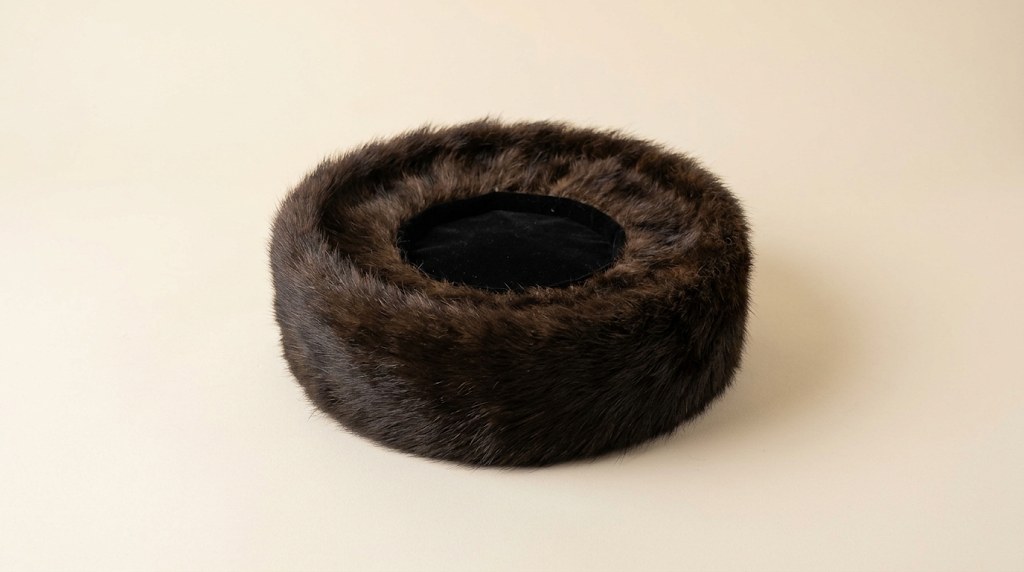
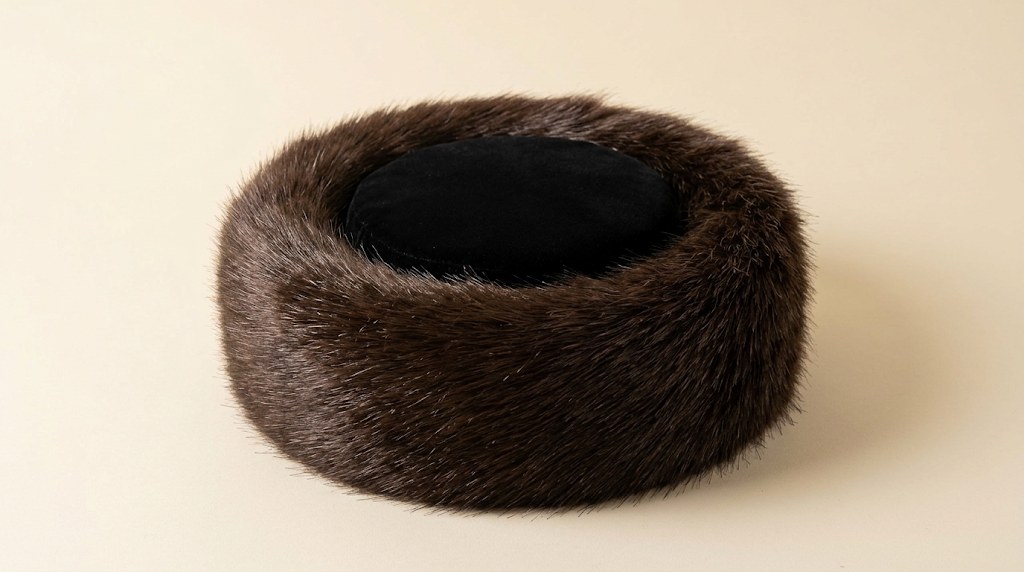
Classic wide shtreimel
A black velvet crown surrounded by fur tails, in the style of Galician, Hungarian and Romanian Hasidim.
Suits: Shabbat, festivals and weddings
From [price]
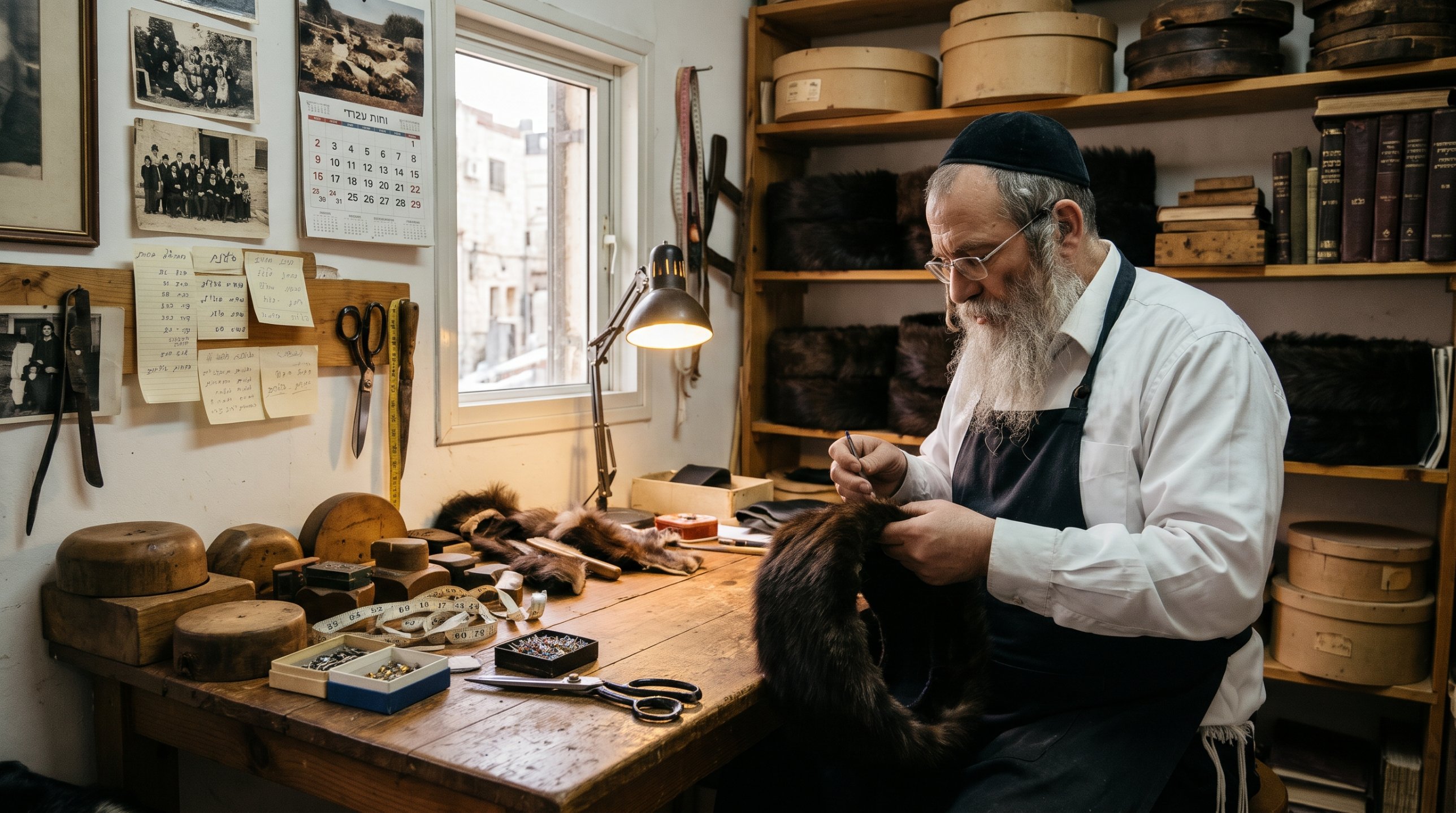
A small family workshop · every shtreimel sewn by hand
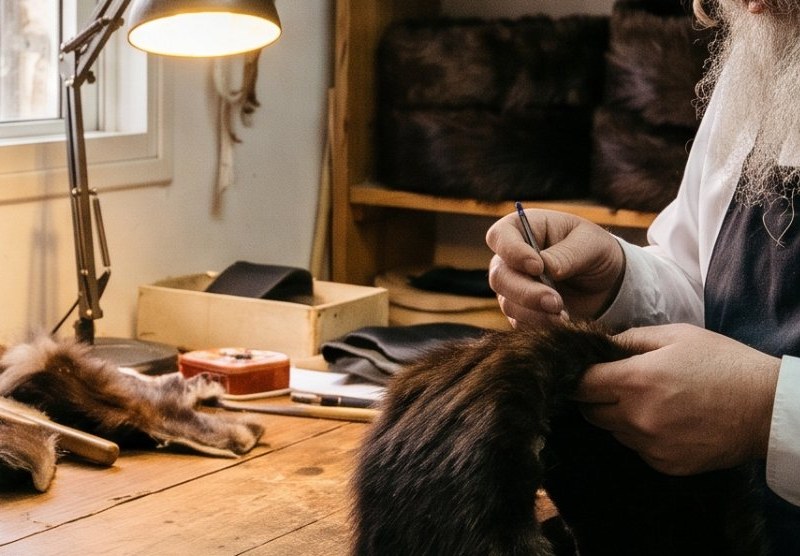
Itzhak measures, selects the tails and sews every shtreimel by hand in his workshop. Height, width and number of tails follow your family custom and your exact head size.
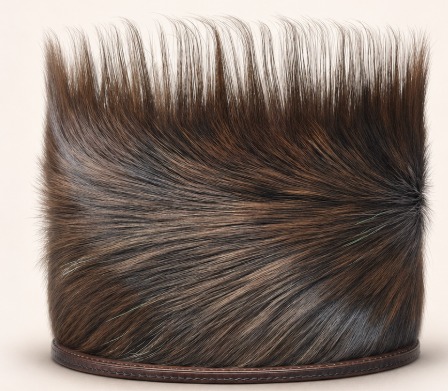
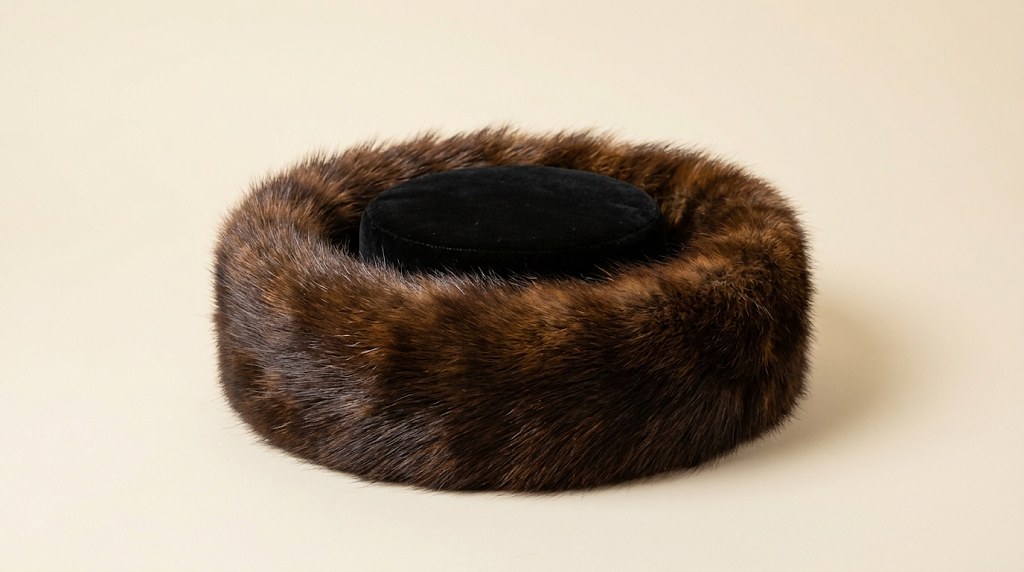
Deer-tail shtreimel from the workshop
Every model is made to measure. The final price is set after measuring and choosing the tails.
Choosing the number of tails
The customary numbers are 13, 18 and 26 tails, and some shtreimels have more. Pick yours and it will be noted on your order.
Selected: 18 tails
From measuring to delivery
Your head is measured in the workshop, over the kippah, so the shtreimel sits exactly right.
Wide and low, or tall (spodik), following your community's custom.
The number of tails, and natural or synthetic fur.
Itzhak sews the velvet crown and arranges the tails around it. Working time: [X weeks].
A final fitting on your head, small adjustments if needed, and delivery in its box.
Wrap a soft measuring tape around your head, across the middle of the forehead and above the ears, with your kippah on. Enter the size in centimetres on the order form and Itzhak will call you back to confirm.
Raw material
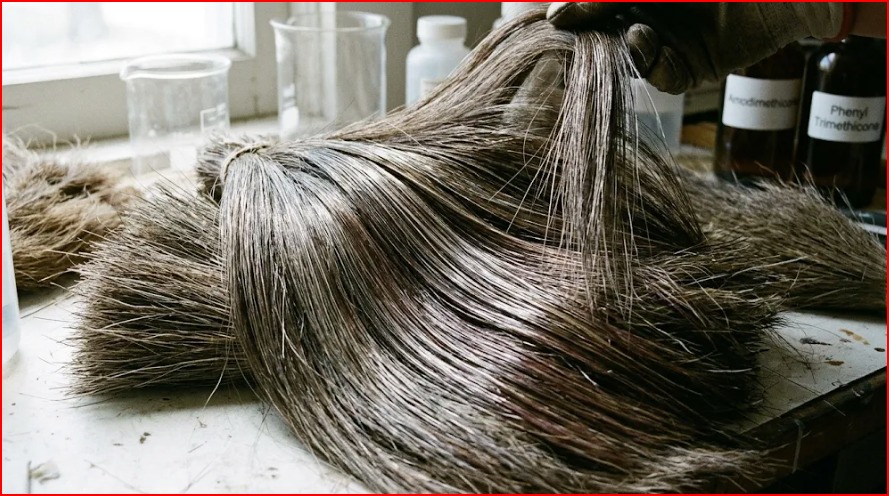
Itzhak works with deer-tail hair. Each bundle is hand-picked, treated and finished in the workshop until the hair is soft, glossy and even in colour, and only then sewn into a shtreimel.
Fit quiz
Step 1 of 3
Tradition & history
A shtreimel is a fur hat worn by Ashkenazi Jewish men, mainly Hasidim, on Shabbat, festivals and celebrations. In Jerusalem it is also worn by Lithuanian Jews. It is usually first worn after the wedding, and in some communities from bar mitzvah.
The shtreimel is always worn over the kippah. In halacha it has no status as a religious head covering, but among the Hasidim of Galicia, Poland and Hungary it is seen as a royal crown that adds honour and beauty to Shabbat.
Hasidim from Congress Poland wear a tall shtreimel called a spodik. Until the 20th century, the shtreimels of Galician, Romanian and Hungarian Hasidim were a large black velvet crown surrounded by fur.
By custom, the bride's father buys the shtreimel for the groom before the wedding. In the United States it is common to buy two: an expensive one, and a cheaper rain shtreimel for days when the good one might be damaged.
"The shtreimel takes the place of tefillin"
Traditionally, from the tails of Canadian or Russian sable, stone marten, pine marten or grey fox. In recent years some rabbis have recommended synthetic fur.
In Itzhak's workshop: deer-tail hair, treated and finished before sewing.
About the workshop
Itzhak runs a small workshop where every shtreimel is sewn by hand, to the size of the head and the custom of the family. No mass production: every customer is measured, chooses, and comes back for a final fitting.
[Personal story: years in the trade, who taught him the craft, which city the workshop is in]
FAQ
The price is set after measuring, according to the type of shtreimel, the number of tails and the fur. Send Itzhak a WhatsApp message for a quote.
Wrap a soft measuring tape around your head, across the middle of the forehead and above the ears, with your kippah on, and note the size in centimetres. You can also come to the workshop to be measured.
Every shtreimel is sewn by hand and to order, so it is best to order some time before the wedding. Itzhak confirms the delivery date when the order is opened.
Itzhak works with deer-tail hair that is treated and finished in the workshop, and a synthetic-fur shtreimel is also available.
The common shtreimel is wide and low, following the custom of Galician, Hungarian and Romanian Hasidim. The spodik is taller and narrower, following the custom of Polish Hasidim.
The customary numbers are 13, 18 and 26 tails, and some shtreimels have more, such as 42. Each number has a meaning, and you choose it when ordering.
Yes. Itzhak cleans, combs, replaces tails and resizes existing shtreimels. Bring yours to the workshop for a check.
By custom, the bride's father buys the shtreimel for the groom before the wedding. The workshop arranges the measurement with the groom.
Sample quotes only · to be replaced with real quotes with customers' permission
"Itzhak measured, listened to our family custom, and the shtreimel sits as if it was born there."
"I got my shtreimel for the wedding. It's light, glossy, and keeps its shape even months later."
"I brought in a twenty-year-old shtreimel. Itzhak gave it back to me like new."